Day in Asolo & the Prosecco Hills: Following in the Footsteps of Genius
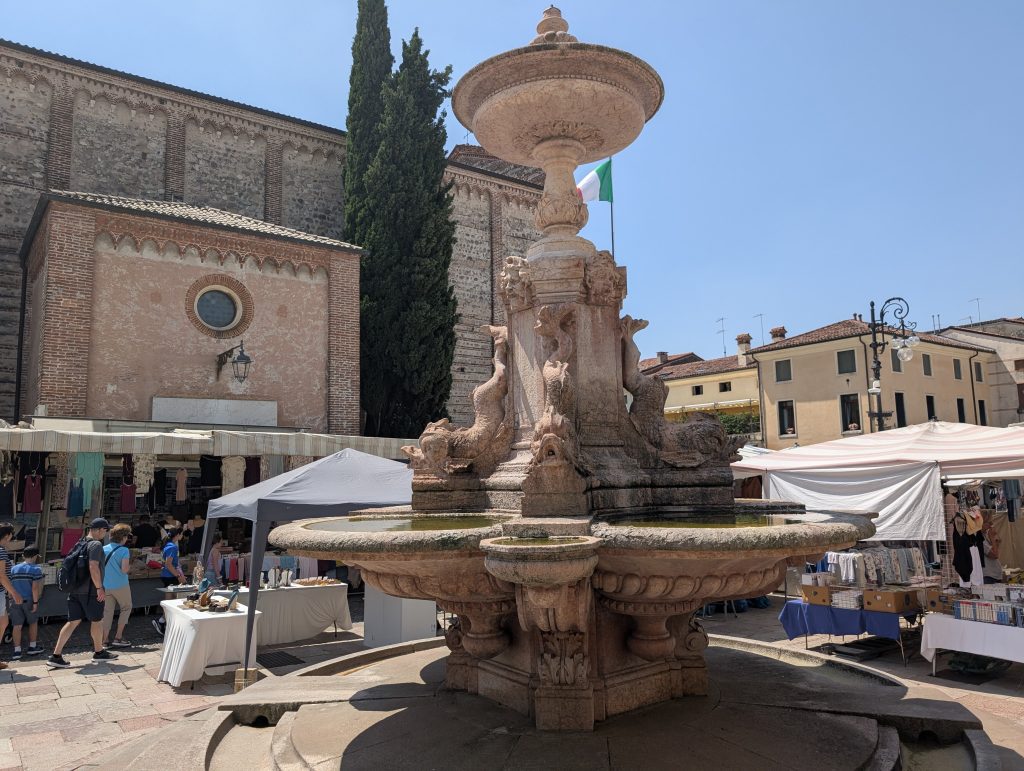
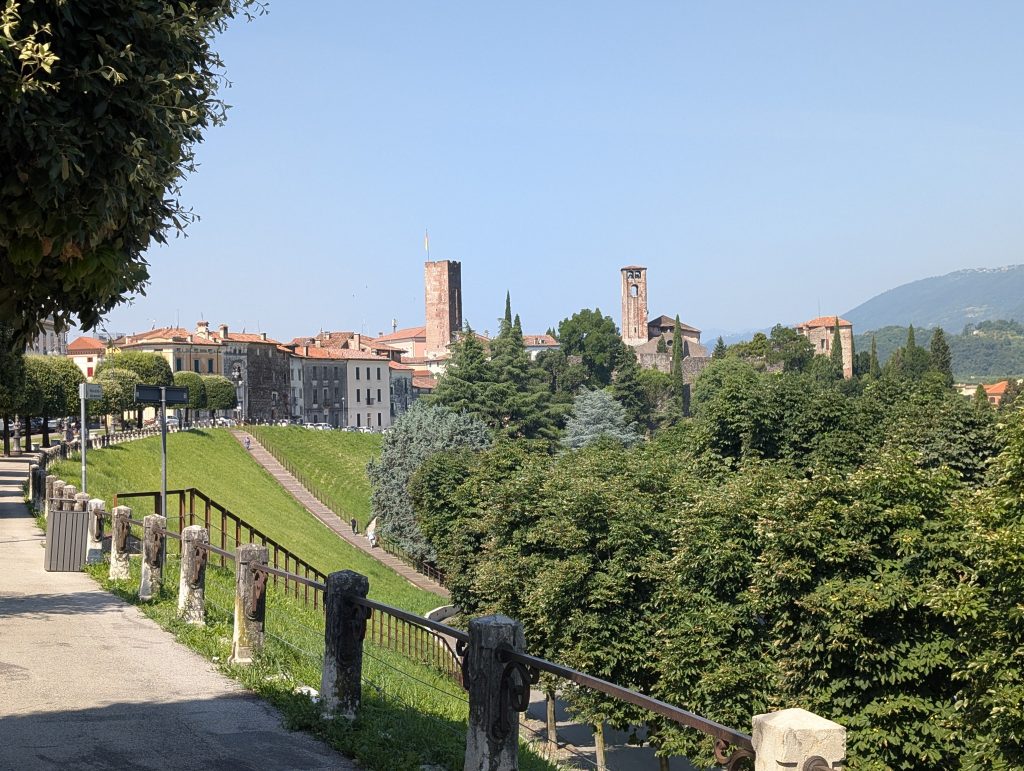
This morning began with a gentle awakening in the hilltop village of Asolo, often dubbed “The Pearl of the Province of Treviso.” And after today, I can see why so many artists, poets, and dreamers have been drawn to this serene perch above the Veneto plains.
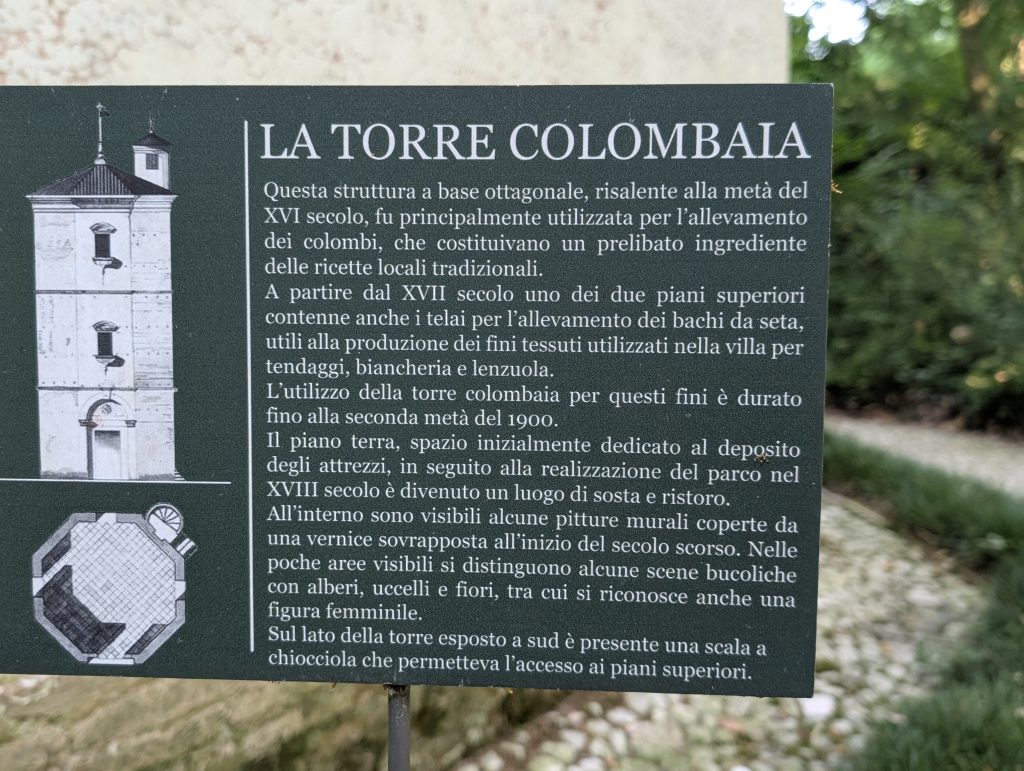
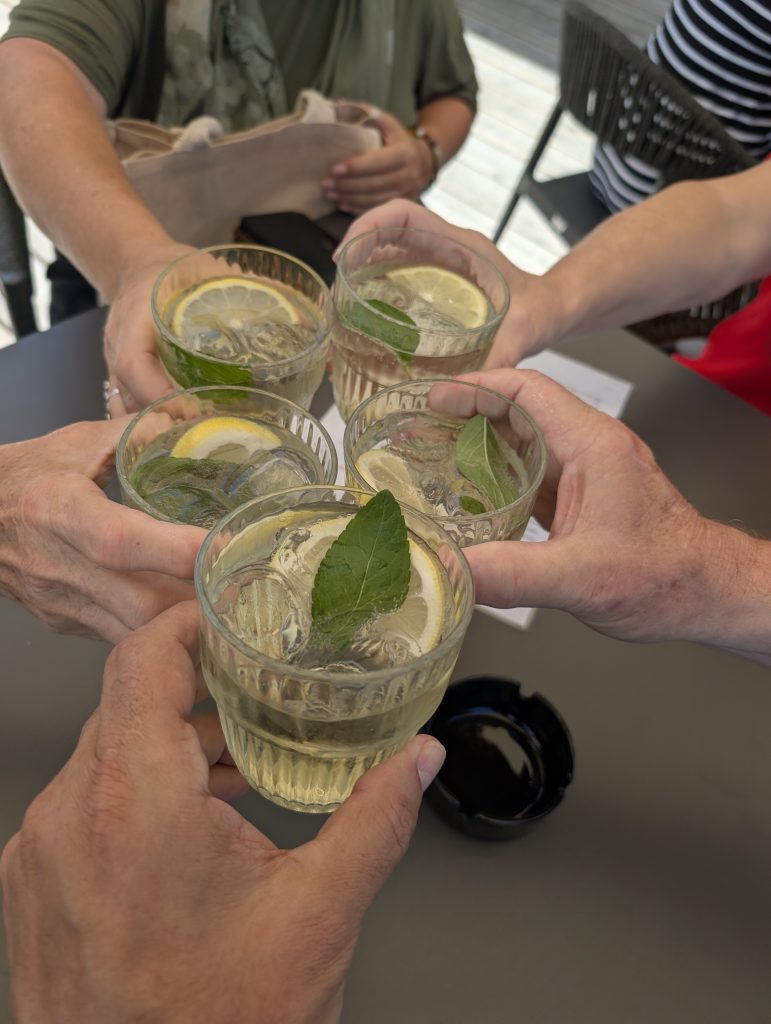
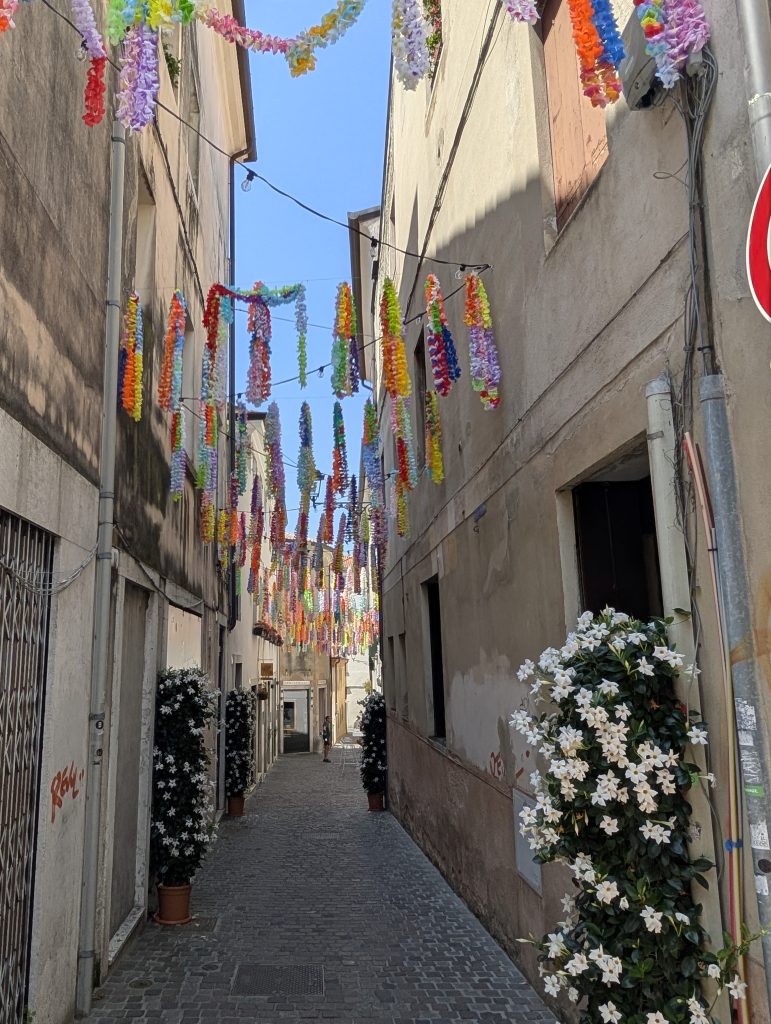
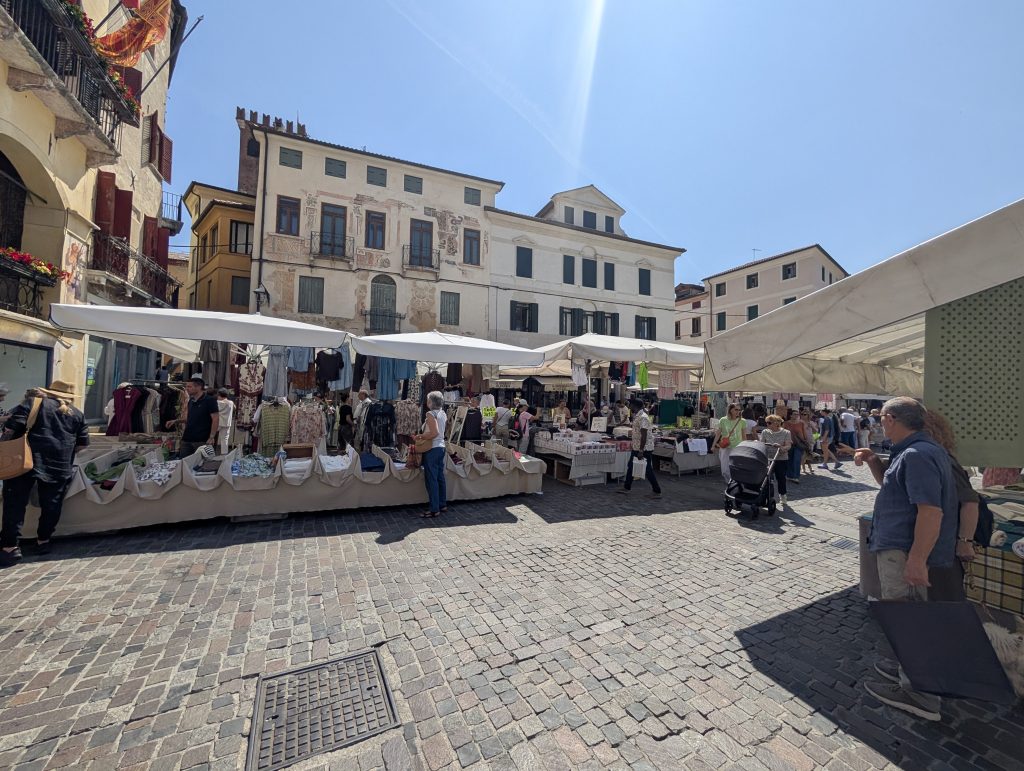
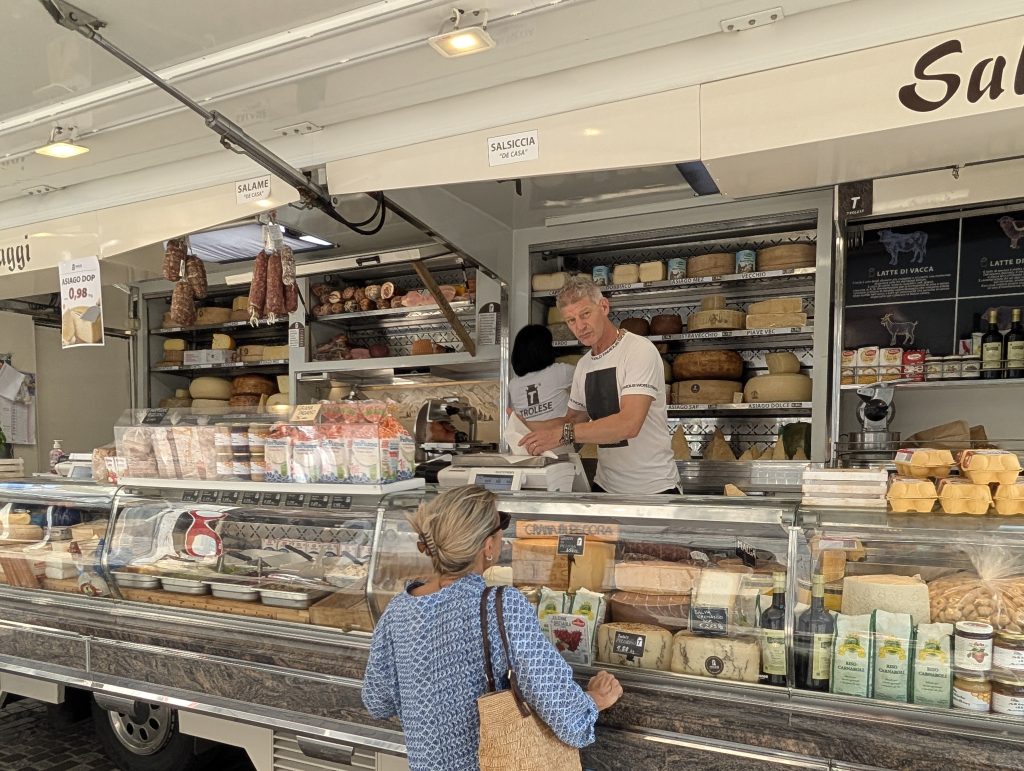
We met our Tour Manager for a leisurely orientation walk, winding through Asolo’s cobbled streets and sun-dappled piazzas. There’s a quiet magic here—breezes that carry whispers of history, stone buildings that seem to lean in close to share secrets. As we wandered, we learned of Ernest Hemingway, who sought refuge here; Robert Browning, who penned verses under the same terracotta rooftops; and Igor Stravinsky, who found melody in the stillness of these hills. With free time afterward, I grabbed a spritz at a local café and let the scenery do what it’s always done best—inspire.

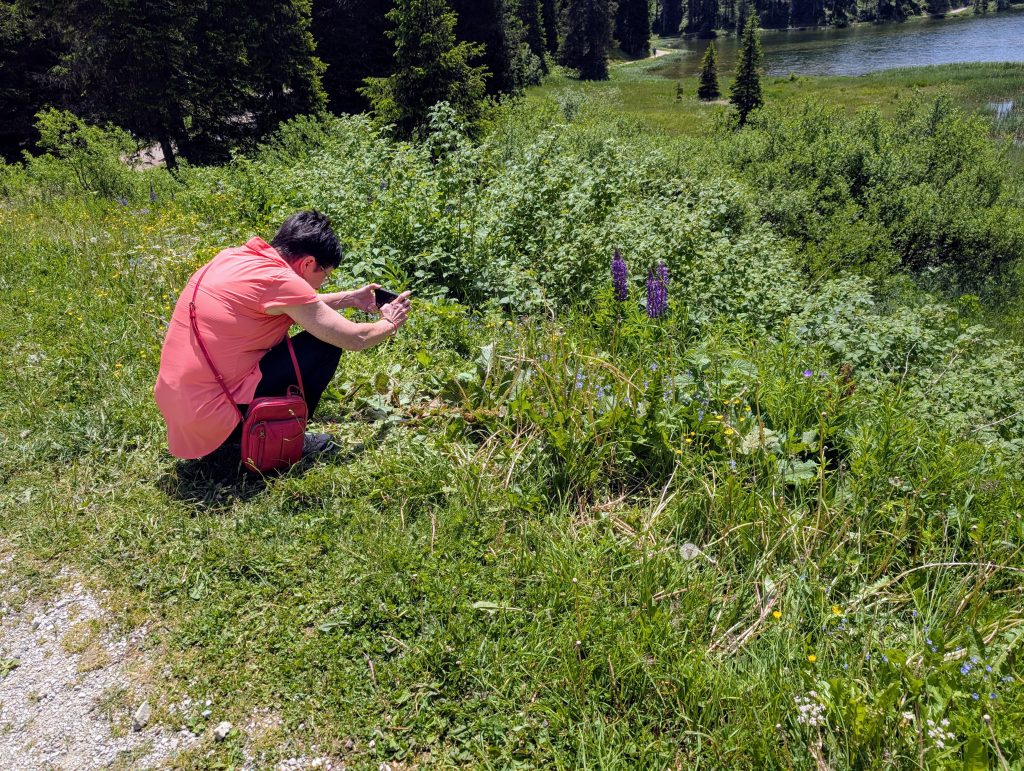
From there, we descended into the rolling vineyards of the Prosecco region, where the sun cast a golden haze over the hills. Designated a UNESCO World Heritage site, this region felt like a postcard brought to life. We visited a local vineyard, where rows of glera grapes stretched toward the horizon. After a stroll through the vines, we enjoyed a Prosecco tasting that made every sparkle on the glass feel celebratory.
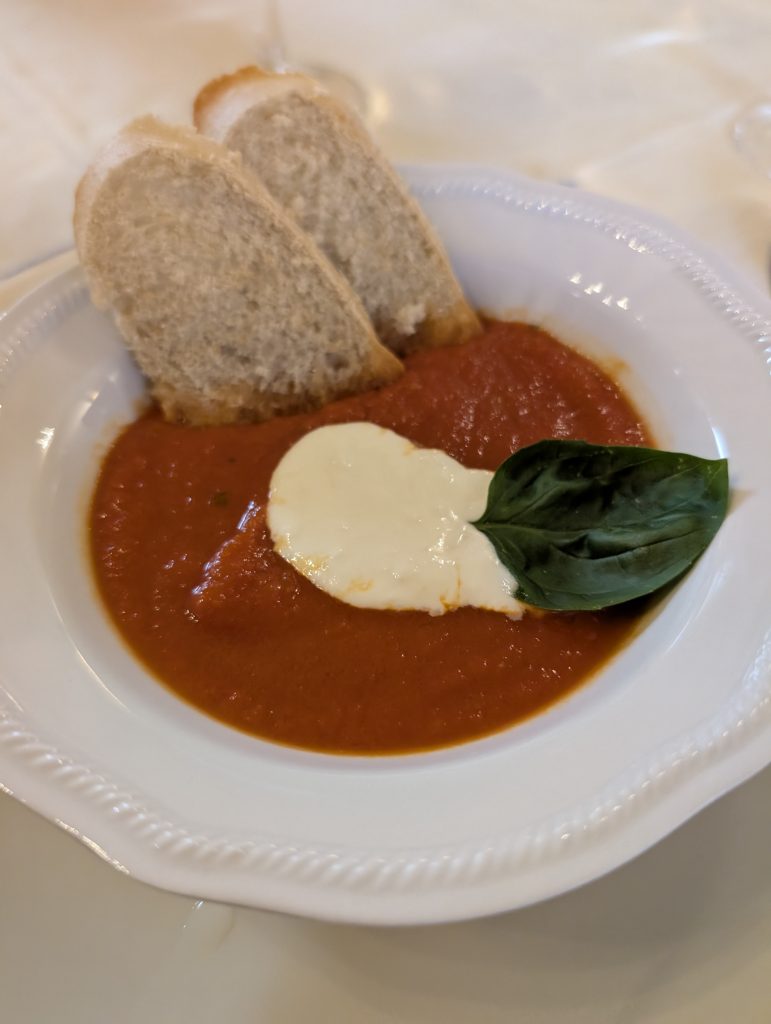
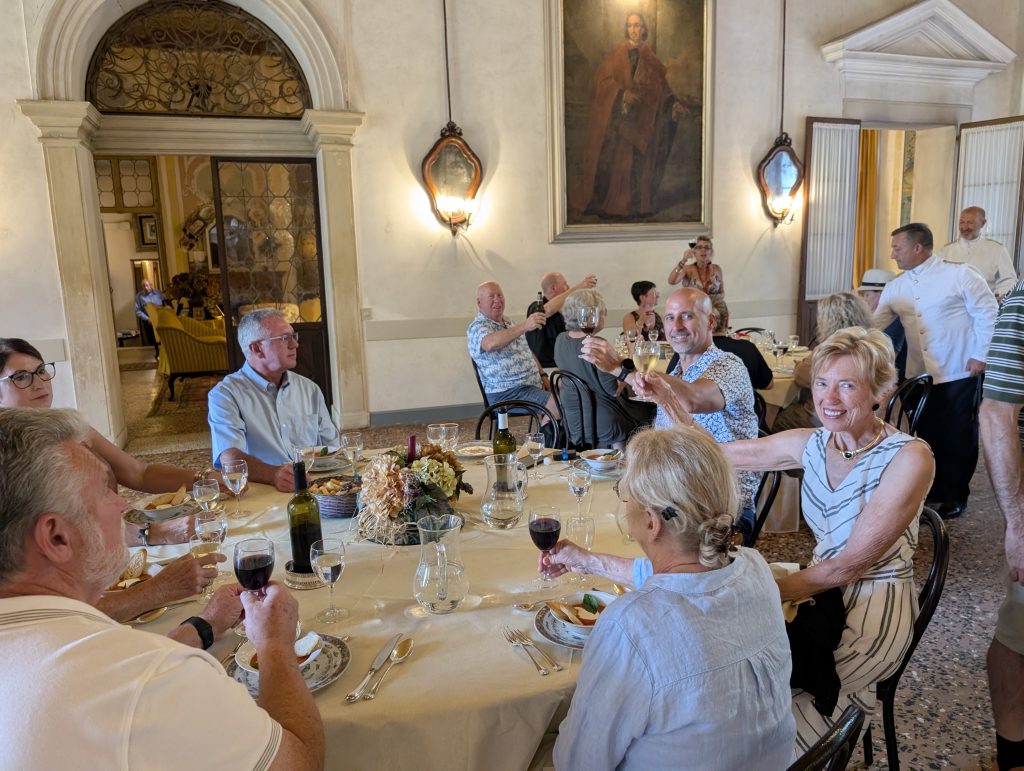
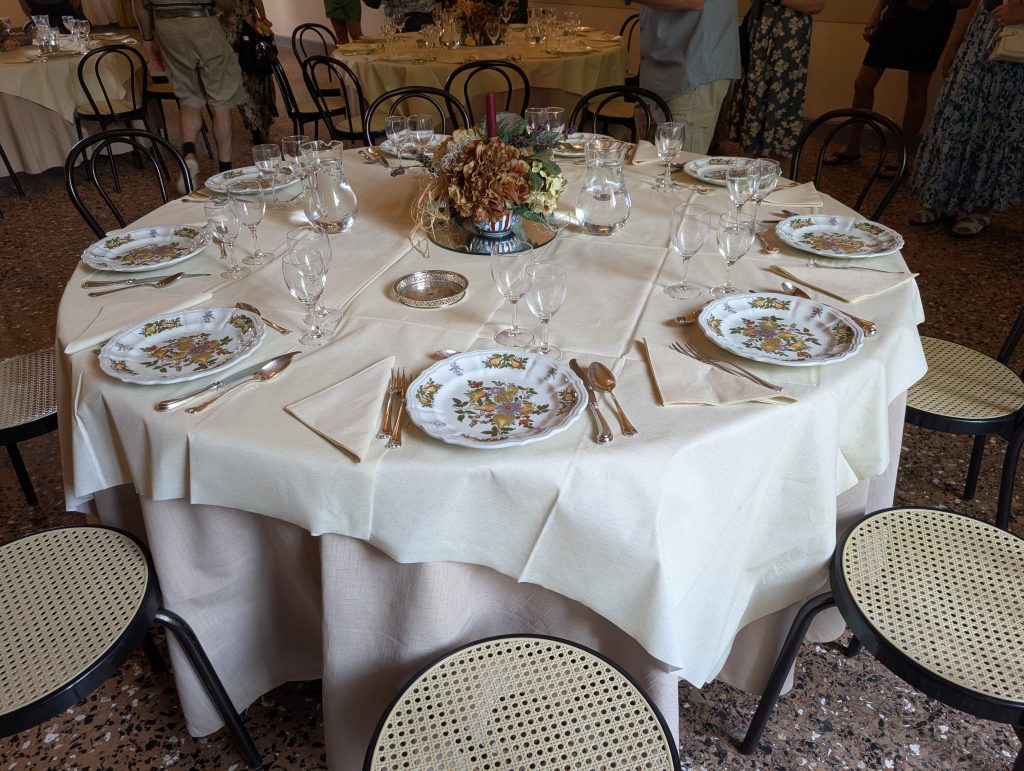
But the true highlight? Cooking with an Italian nonna. Aprons on and hands in flour, we learned the art of making traditional pasta—rolled, shaped, and cut with love. There was laughter, wine, and flour everywhere. When we sat down to eat what we had just created, paired with more local wines, it was a feast not just of food, but of joy and tradition. A true toast to la dolce vita.
As we returned to our hotel under a starry Venetian sky, hearts and stomachs full, we knew rest was essential. Tomorrow, the majestic Dolomites await.

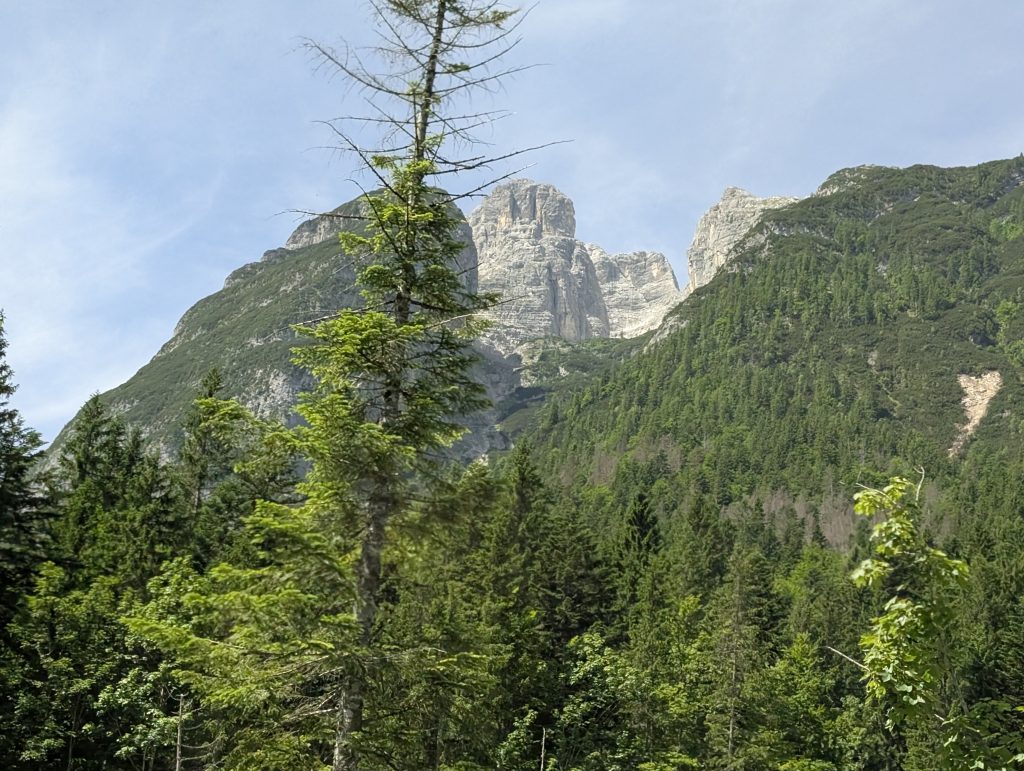
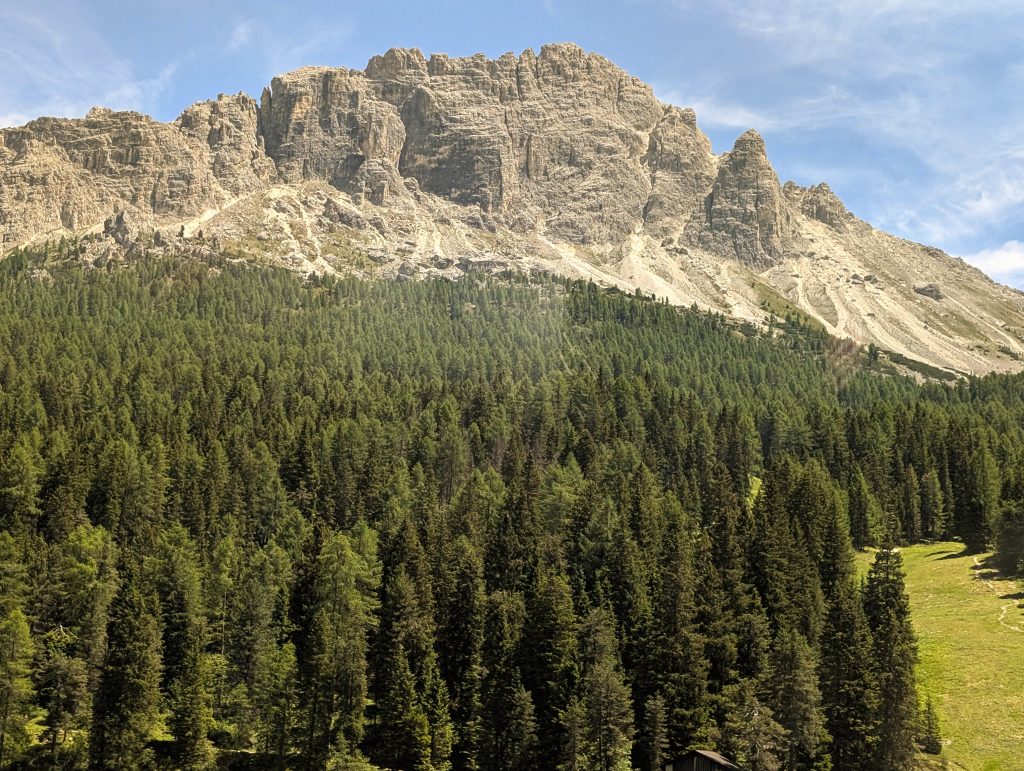
If yesterday was a symphony of vineyards and poetry, today was a crescendo of rugged beauty and mountain air. We set off early for one of Italy’s most breathtaking treasures: the Dolomites—a UNESCO World Heritage site and, in every way, nature’s masterpiece.
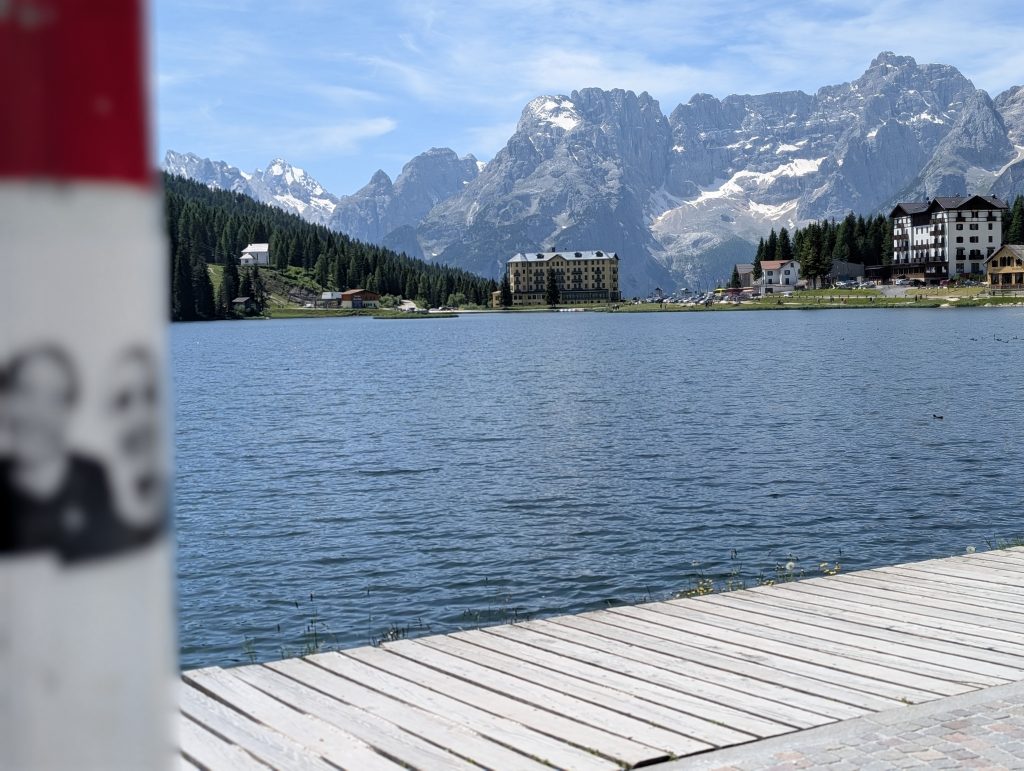
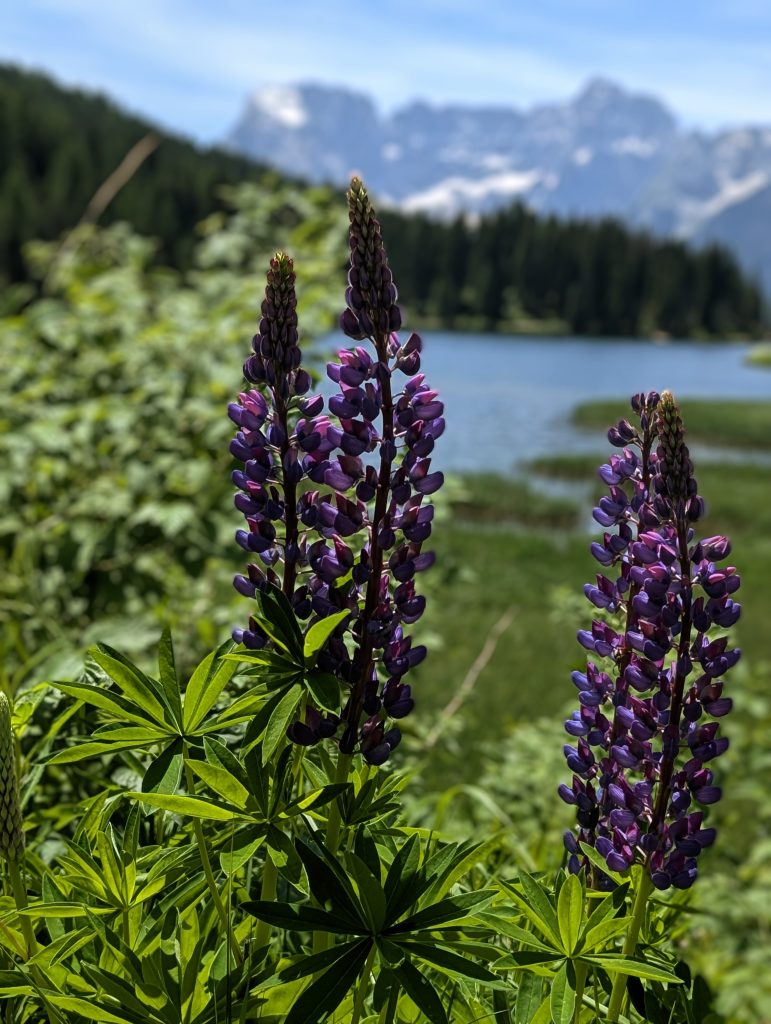
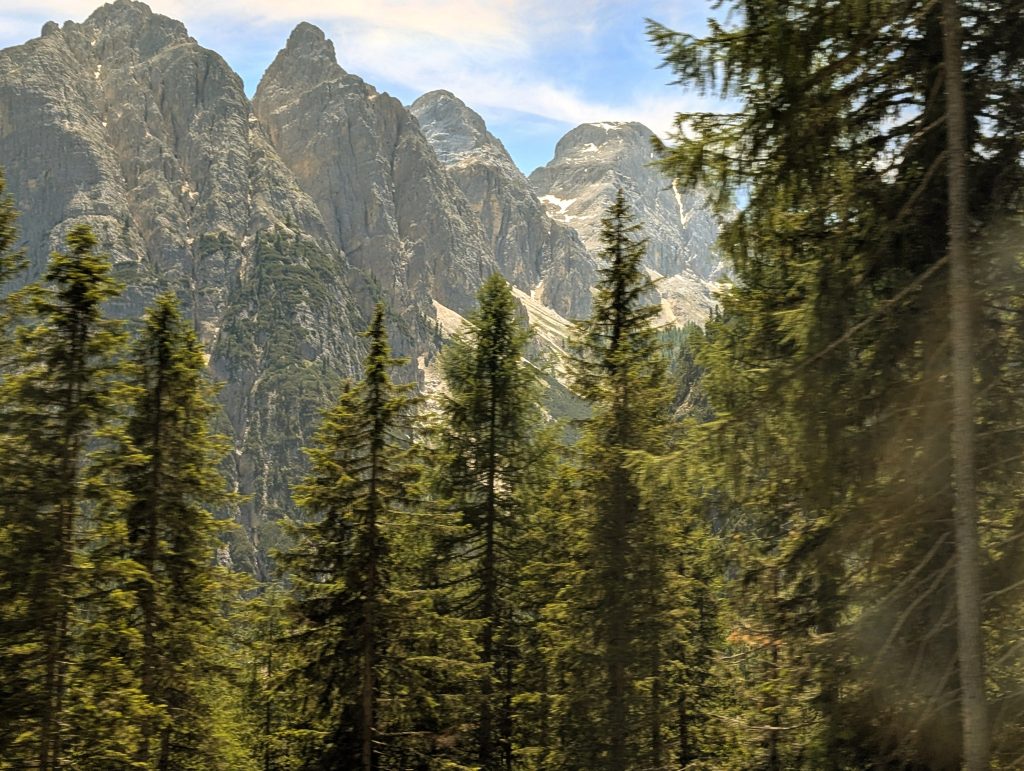
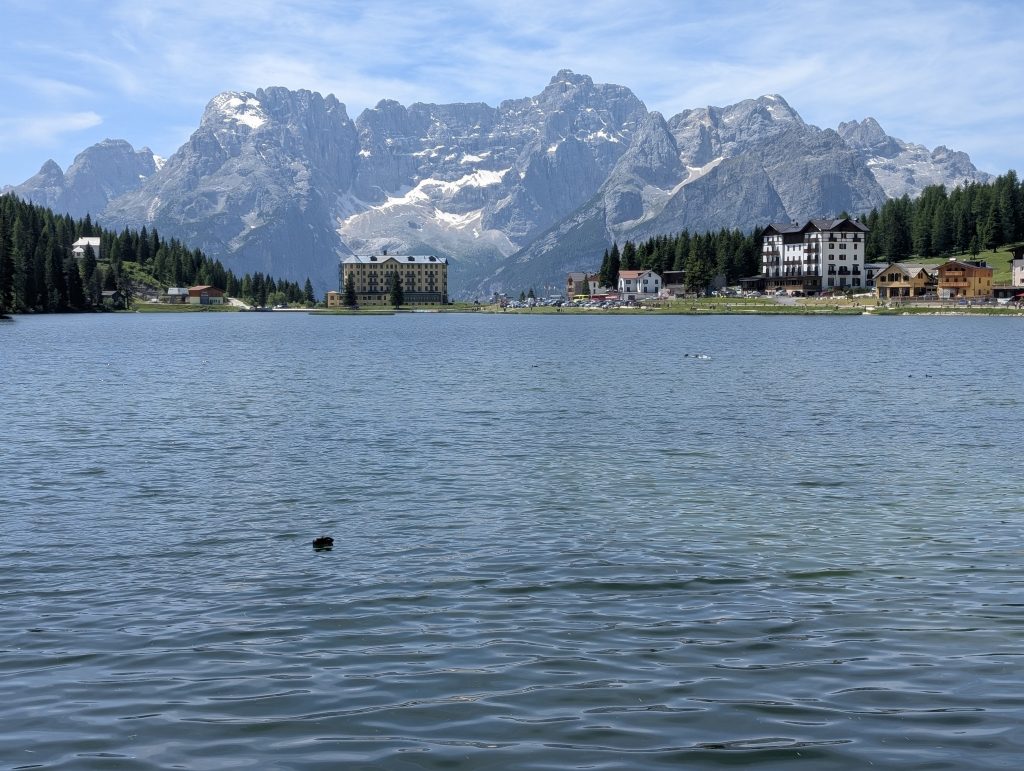
As our coach wove through the twisting roads, jagged cliffs and towering peaks loomed around every turn. Our first major stop was the ethereal Lake Misurina, where the mirrored surface reflected the craggy grandeur of the Tre Cime di Lavaredo—the Three Peaks of Lavaredo. The view was unreal, the kind that makes you instinctively reach for your camera and then pause, knowing a photo could never quite capture it.
After a hearty alpine lunch near the lake, we continued on to Cortina d’Ampezzo, nicknamed the Pearl of the Dolomites. It’s easy to see why: boutique-lined streets, flower-boxed chalets, and mountains so close it feels like you could reach out and touch them. With free time to explore, I wandered into a small shop for some mountain honey and ended up in a conversation about local legends and Olympic history.
The adventure didn’t stop there. Weather permitting, we ascended Mount Faloria by cable car, rising higher and higher until the world below looked like a green patchwork quilt. From the summit, the air was thin and pure, and the views were nothing short of spiritual. It was easy to see why hikers and bikers call this place paradise.
As we made our way back to the hotel tonight, the bus buzzed softly with tired but happy chatter. Today, we stood in the presence of mountains that have seen millennia—and we felt small, in the best possible way.